
- Our Services
- Concept Design›Kitchen Design›Renovation›Cloud Kitchen Setup›2D/3D Layout Design›Turnkey Solutions›Tile Work›Painting›Joinery›Custom Furniture›MEP Engineering›HVAC Installation›Kitchen Exhaust›Fire Suppression›Stainless Steel Fabrication›Food Truck & Container›Staff Uniforms›LED Signage›Bill of Quantities›OUR SERVICESConcept Design VIEW MAIN PAGE →
Brand, cuisine and concept development that defines your restaurant before design begins.
Turnkey DeliveryUAE-Code CompliantOn-Time HandoverLearn More →OUR SERVICESKitchen Design VIEW MAIN PAGE →Commercial kitchen layouts engineered for flow, capacity and UAE code.
Turnkey DeliveryUAE-Code CompliantOn-Time HandoverLearn More →OUR SERVICESRenovation VIEW MAIN PAGE →Refresh or fully transform an existing restaurant with minimal downtime.
Turnkey DeliveryUAE-Code CompliantOn-Time HandoverLearn More →OUR SERVICESCloud Kitchen Setup VIEW MAIN PAGE →Turnkey delivery-only kitchens — licensed, fitted and platform-ready.
Turnkey DeliveryUAE-Code CompliantOn-Time HandoverLearn More →OUR SERVICES2D/3D Layout Design VIEW MAIN PAGE →Concept layouts and photoreal 3D visuals so you see the space before you build it.
Turnkey DeliveryUAE-Code CompliantOn-Time HandoverLearn More →OUR SERVICESTurnkey Solutions VIEW MAIN PAGE →One contract from empty shell to opening day — design, build, MEP and handover.
Turnkey DeliveryUAE-Code CompliantOn-Time HandoverLearn More →OUR SERVICESTile Work VIEW MAIN PAGE →Durable, hygienic floor and wall tiling built for high-traffic F&B spaces.
Turnkey DeliveryUAE-Code CompliantOn-Time HandoverLearn More →OUR SERVICESPainting VIEW MAIN PAGE →Flawless interior and exterior finishes with food-safe, washable paints.
Turnkey DeliveryUAE-Code CompliantOn-Time HandoverLearn More →OUR SERVICESJoinery VIEW MAIN PAGE →Bespoke counters, bars, millwork and custom woodwork.
Turnkey DeliveryUAE-Code CompliantOn-Time HandoverLearn More →OUR SERVICESCustom Furniture VIEW MAIN PAGE →Made-to-measure seating, tables and fixtures for your concept.
Turnkey DeliveryUAE-Code CompliantOn-Time HandoverLearn More →OUR SERVICESMEP Engineering VIEW MAIN PAGE →Mechanical, electrical and plumbing designed and installed to UAE code.
Turnkey DeliveryUAE-Code CompliantOn-Time HandoverLearn More →OUR SERVICESHVAC Installation VIEW MAIN PAGE →Climate control sized for busy kitchens and comfortable dining.
Turnkey DeliveryUAE-Code CompliantOn-Time HandoverLearn More →OUR SERVICESKitchen Exhaust VIEW MAIN PAGE →Compliant kitchen exhaust and ventilation systems.
Turnkey DeliveryUAE-Code CompliantOn-Time HandoverLearn More →OUR SERVICESFire Suppression VIEW MAIN PAGE →Certified kitchen fire-suppression systems and Civil Defence sign-off.
Turnkey DeliveryUAE-Code CompliantOn-Time HandoverLearn More →OUR SERVICESStainless Steel Fabrication VIEW MAIN PAGE →Custom commercial kitchen steelwork — tables, hoods, shelving.
Turnkey DeliveryUAE-Code CompliantOn-Time HandoverLearn More →OUR SERVICESFood Truck & Container VIEW MAIN PAGE →Turnkey food trucks and container kitchens, built and fitted out.
Turnkey DeliveryUAE-Code CompliantOn-Time HandoverLearn More →OUR SERVICESStaff Uniforms VIEW MAIN PAGE →Branded uniforms for front and back of house.
Turnkey DeliveryUAE-Code CompliantOn-Time HandoverLearn More →OUR SERVICESLED Signage VIEW MAIN PAGE →Eye-catching LED signage and storefront branding.
Turnkey DeliveryUAE-Code CompliantOn-Time HandoverLearn More →OUR SERVICESBill of Quantities VIEW MAIN PAGE →Accurate costing and BoQ so your fit-out stays on budget.
Turnkey DeliveryUAE-Code CompliantOn-Time HandoverLearn More →MAKE MY RESTAURANTConcept DesignBrand, cuisine and concept development that defines your restaurant before design begins.
Turnkey DeliveryUAE-Code CompliantOn-Time HandoverGet a Free QuoteMAKE MY RESTAURANTKitchen DesignCommercial kitchen layouts engineered for flow, capacity and UAE code.
Turnkey DeliveryUAE-Code CompliantOn-Time HandoverGet a Free QuoteMAKE MY RESTAURANTRenovationRefresh or fully transform an existing restaurant with minimal downtime.
Turnkey DeliveryUAE-Code CompliantOn-Time HandoverGet a Free QuoteMAKE MY RESTAURANTCloud Kitchen SetupTurnkey delivery-only kitchens — licensed, fitted and platform-ready.
Turnkey DeliveryUAE-Code CompliantOn-Time HandoverGet a Free QuoteMAKE MY RESTAURANT2D/3D Layout DesignConcept layouts and photoreal 3D visuals so you see the space before you build it.
Turnkey DeliveryUAE-Code CompliantOn-Time HandoverGet a Free QuoteMAKE MY RESTAURANTTurnkey SolutionsOne contract from empty shell to opening day — design, build, MEP and handover.
Turnkey DeliveryUAE-Code CompliantOn-Time HandoverGet a Free QuoteMAKE MY RESTAURANTTile WorkDurable, hygienic floor and wall tiling built for high-traffic F&B spaces.
Turnkey DeliveryUAE-Code CompliantOn-Time HandoverGet a Free QuoteMAKE MY RESTAURANTPaintingFlawless interior and exterior finishes with food-safe, washable paints.
Turnkey DeliveryUAE-Code CompliantOn-Time HandoverGet a Free QuoteMAKE MY RESTAURANTJoineryBespoke counters, bars, millwork and custom woodwork.
Turnkey DeliveryUAE-Code CompliantOn-Time HandoverGet a Free QuoteMAKE MY RESTAURANTCustom FurnitureMade-to-measure seating, tables and fixtures for your concept.
Turnkey DeliveryUAE-Code CompliantOn-Time HandoverGet a Free QuoteMAKE MY RESTAURANTMEP EngineeringMechanical, electrical and plumbing designed and installed to UAE code.
Turnkey DeliveryUAE-Code CompliantOn-Time HandoverGet a Free QuoteMAKE MY RESTAURANTHVAC InstallationClimate control sized for busy kitchens and comfortable dining.
Turnkey DeliveryUAE-Code CompliantOn-Time HandoverGet a Free QuoteMAKE MY RESTAURANTKitchen ExhaustCompliant kitchen exhaust and ventilation systems.
Turnkey DeliveryUAE-Code CompliantOn-Time HandoverGet a Free QuoteMAKE MY RESTAURANTFire SuppressionCertified kitchen fire-suppression systems and Civil Defence sign-off.
Turnkey DeliveryUAE-Code CompliantOn-Time HandoverGet a Free QuoteMAKE MY RESTAURANTStainless Steel FabricationCustom commercial kitchen steelwork — tables, hoods, shelving.
Turnkey DeliveryUAE-Code CompliantOn-Time HandoverGet a Free QuoteMAKE MY RESTAURANTFood Truck & ContainerTurnkey food trucks and container kitchens, built and fitted out.
Turnkey DeliveryUAE-Code CompliantOn-Time HandoverGet a Free QuoteMAKE MY RESTAURANTStaff UniformsBranded uniforms for front and back of house.
Turnkey DeliveryUAE-Code CompliantOn-Time HandoverGet a Free QuoteMAKE MY RESTAURANTLED SignageEye-catching LED signage and storefront branding.
Turnkey DeliveryUAE-Code CompliantOn-Time HandoverGet a Free QuoteMAKE MY RESTAURANTBill of QuantitiesAccurate costing and BoQ so your fit-out stays on budget.
Turnkey DeliveryUAE-Code CompliantOn-Time HandoverGet a Free Quote
-
- Essential Services
- F&B Business Setup›Compliance Audit›Grease Trap Cleaning›Kitchen Hood Cleaning›Ecology Unit Cleaning›Pest Control›AC Maintenance›Stewarding›PIC Training›Food Safety Training›Fire Safety Training›PRO Services›VAT & Corporate Tax›Bookkeeping›Bank Account Opening›Social Media Mgmt›Delivery Apps Mgmt›ESSENTIAL SERVICESF&B Business Setup VIEW MAIN PAGE →
End-to-end licensing, permits and setup to launch your F&B business in the UAE.
Licensed & CertifiedAll 7 EmiratesAnnual ContractsLearn More →ESSENTIAL SERVICESCompliance Audit VIEW MAIN PAGE →Full municipality, Civil Defence and food-safety compliance audit and gap report.
Licensed & CertifiedAll 7 EmiratesAnnual ContractsLearn More →ESSENTIAL SERVICESGrease Trap Cleaning VIEW MAIN PAGE →Scheduled grease trap cleaning with full compliance documentation.
Licensed & CertifiedAll 7 EmiratesAnnual ContractsLearn More →ESSENTIAL SERVICESKitchen Hood Cleaning VIEW MAIN PAGE →Deep hood and duct cleaning on annual contracts.
Licensed & CertifiedAll 7 EmiratesAnnual ContractsLearn More →ESSENTIAL SERVICESEcology Unit Cleaning VIEW MAIN PAGE →ESP / ecology unit servicing with municipality reports.
Licensed & CertifiedAll 7 EmiratesAnnual ContractsLearn More →ESSENTIAL SERVICESPest Control VIEW MAIN PAGE →Food-safe pest management on annual contracts.
Licensed & CertifiedAll 7 EmiratesAnnual ContractsLearn More →ESSENTIAL SERVICESAC Maintenance VIEW MAIN PAGE →Preventive AC maintenance plans that avoid breakdowns.
Licensed & CertifiedAll 7 EmiratesAnnual ContractsLearn More →ESSENTIAL SERVICESStewarding VIEW MAIN PAGE →Trained stewarding and cleaning crews on call.
Licensed & CertifiedAll 7 EmiratesAnnual ContractsLearn More →ESSENTIAL SERVICESPIC Training VIEW MAIN PAGE →Person-in-Charge food safety certification for your team.
Licensed & CertifiedAll 7 EmiratesAnnual ContractsLearn More →ESSENTIAL SERVICESFood Safety Training VIEW MAIN PAGE →Municipality-approved food safety courses.
Licensed & CertifiedAll 7 EmiratesAnnual ContractsLearn More →ESSENTIAL SERVICESFire Safety Training VIEW MAIN PAGE →Staff fire safety and evacuation training.
Licensed & CertifiedAll 7 EmiratesAnnual ContractsLearn More →ESSENTIAL SERVICESPRO Services VIEW MAIN PAGE →Licensing, permits and government liaison, fully handled.
Licensed & CertifiedAll 7 EmiratesAnnual ContractsLearn More →ESSENTIAL SERVICESVAT & Corporate Tax VIEW MAIN PAGE →VAT and corporate tax registration and filings, managed.
Licensed & CertifiedAll 7 EmiratesAnnual ContractsLearn More →ESSENTIAL SERVICESBookkeeping VIEW MAIN PAGE →Monthly bookkeeping and accounts for restaurants.
Licensed & CertifiedAll 7 EmiratesAnnual ContractsLearn More →ESSENTIAL SERVICESBank Account Opening VIEW MAIN PAGE →Business bank account setup assistance.
Licensed & CertifiedAll 7 EmiratesAnnual ContractsLearn More →ESSENTIAL SERVICESSocial Media Mgmt VIEW MAIN PAGE →Content and ads that fill tables.
Licensed & CertifiedAll 7 EmiratesAnnual ContractsLearn More →ESSENTIAL SERVICESDelivery Apps Mgmt VIEW MAIN PAGE →Talabat, Deliveroo and Noon menu and listing optimisation.
Licensed & CertifiedAll 7 EmiratesAnnual ContractsLearn More →MAKE MY RESTAURANTF&B Business SetupEnd-to-end licensing, permits and setup to launch your F&B business in the UAE.
Licensed & CertifiedAll 7 EmiratesAnnual ContractsGet a Free QuoteMAKE MY RESTAURANTCompliance AuditFull municipality, Civil Defence and food-safety compliance audit and gap report.
Licensed & CertifiedAll 7 EmiratesAnnual ContractsGet a Free QuoteMAKE MY RESTAURANTGrease Trap CleaningScheduled grease trap cleaning with full compliance documentation.
Licensed & CertifiedAll 7 EmiratesAnnual ContractsGet a Free QuoteMAKE MY RESTAURANTKitchen Hood CleaningDeep hood and duct cleaning on annual contracts.
Licensed & CertifiedAll 7 EmiratesAnnual ContractsGet a Free QuoteMAKE MY RESTAURANTEcology Unit CleaningESP / ecology unit servicing with municipality reports.
Licensed & CertifiedAll 7 EmiratesAnnual ContractsGet a Free QuoteMAKE MY RESTAURANTPest ControlFood-safe pest management on annual contracts.
Licensed & CertifiedAll 7 EmiratesAnnual ContractsGet a Free QuoteMAKE MY RESTAURANTAC MaintenancePreventive AC maintenance plans that avoid breakdowns.
Licensed & CertifiedAll 7 EmiratesAnnual ContractsGet a Free QuoteMAKE MY RESTAURANTStewardingTrained stewarding and cleaning crews on call.
Licensed & CertifiedAll 7 EmiratesAnnual ContractsGet a Free QuoteMAKE MY RESTAURANTPIC TrainingPerson-in-Charge food safety certification for your team.
Licensed & CertifiedAll 7 EmiratesAnnual ContractsGet a Free QuoteMAKE MY RESTAURANTFood Safety TrainingMunicipality-approved food safety courses.
Licensed & CertifiedAll 7 EmiratesAnnual ContractsGet a Free QuoteMAKE MY RESTAURANTFire Safety TrainingStaff fire safety and evacuation training.
Licensed & CertifiedAll 7 EmiratesAnnual ContractsGet a Free QuoteMAKE MY RESTAURANTPRO ServicesLicensing, permits and government liaison, fully handled.
Licensed & CertifiedAll 7 EmiratesAnnual ContractsGet a Free QuoteMAKE MY RESTAURANTVAT & Corporate TaxVAT and corporate tax registration and filings, managed.
Licensed & CertifiedAll 7 EmiratesAnnual ContractsGet a Free QuoteMAKE MY RESTAURANTBookkeepingMonthly bookkeeping and accounts for restaurants.
Licensed & CertifiedAll 7 EmiratesAnnual ContractsGet a Free QuoteMAKE MY RESTAURANTBank Account OpeningBusiness bank account setup assistance.
Licensed & CertifiedAll 7 EmiratesAnnual ContractsGet a Free QuoteMAKE MY RESTAURANTSocial Media MgmtContent and ads that fill tables.
Licensed & CertifiedAll 7 EmiratesAnnual ContractsGet a Free QuoteMAKE MY RESTAURANTDelivery Apps MgmtTalabat, Deliveroo and Noon menu and listing optimisation.
Licensed & CertifiedAll 7 EmiratesAnnual ContractsGet a Free Quote
-
- Guides
- Blogs
- About
Enquiry
+971 58 570 7110

- Our Services
- Concept Design›Kitchen Design›Renovation›Cloud Kitchen Setup›2D/3D Layout Design›Turnkey Solutions›Tile Work›Painting›Joinery›Custom Furniture›MEP Engineering›HVAC Installation›Kitchen Exhaust›Fire Suppression›Stainless Steel Fabrication›Food Truck & Container›Staff Uniforms›LED Signage›Bill of Quantities›OUR SERVICESConcept Design VIEW MAIN PAGE →
Brand, cuisine and concept development that defines your restaurant before design begins.
Turnkey DeliveryUAE-Code CompliantOn-Time HandoverLearn More →OUR SERVICESKitchen Design VIEW MAIN PAGE →Commercial kitchen layouts engineered for flow, capacity and UAE code.
Turnkey DeliveryUAE-Code CompliantOn-Time HandoverLearn More →OUR SERVICESRenovation VIEW MAIN PAGE →Refresh or fully transform an existing restaurant with minimal downtime.
Turnkey DeliveryUAE-Code CompliantOn-Time HandoverLearn More →OUR SERVICESCloud Kitchen Setup VIEW MAIN PAGE →Turnkey delivery-only kitchens — licensed, fitted and platform-ready.
Turnkey DeliveryUAE-Code CompliantOn-Time HandoverLearn More →OUR SERVICES2D/3D Layout Design VIEW MAIN PAGE →Concept layouts and photoreal 3D visuals so you see the space before you build it.
Turnkey DeliveryUAE-Code CompliantOn-Time HandoverLearn More →OUR SERVICESTurnkey Solutions VIEW MAIN PAGE →One contract from empty shell to opening day — design, build, MEP and handover.
Turnkey DeliveryUAE-Code CompliantOn-Time HandoverLearn More →OUR SERVICESTile Work VIEW MAIN PAGE →Durable, hygienic floor and wall tiling built for high-traffic F&B spaces.
Turnkey DeliveryUAE-Code CompliantOn-Time HandoverLearn More →OUR SERVICESPainting VIEW MAIN PAGE →Flawless interior and exterior finishes with food-safe, washable paints.
Turnkey DeliveryUAE-Code CompliantOn-Time HandoverLearn More →OUR SERVICESJoinery VIEW MAIN PAGE →Bespoke counters, bars, millwork and custom woodwork.
Turnkey DeliveryUAE-Code CompliantOn-Time HandoverLearn More →OUR SERVICESCustom Furniture VIEW MAIN PAGE →Made-to-measure seating, tables and fixtures for your concept.
Turnkey DeliveryUAE-Code CompliantOn-Time HandoverLearn More →OUR SERVICESMEP Engineering VIEW MAIN PAGE →Mechanical, electrical and plumbing designed and installed to UAE code.
Turnkey DeliveryUAE-Code CompliantOn-Time HandoverLearn More →OUR SERVICESHVAC Installation VIEW MAIN PAGE →Climate control sized for busy kitchens and comfortable dining.
Turnkey DeliveryUAE-Code CompliantOn-Time HandoverLearn More →OUR SERVICESKitchen Exhaust VIEW MAIN PAGE →Compliant kitchen exhaust and ventilation systems.
Turnkey DeliveryUAE-Code CompliantOn-Time HandoverLearn More →OUR SERVICESFire Suppression VIEW MAIN PAGE →Certified kitchen fire-suppression systems and Civil Defence sign-off.
Turnkey DeliveryUAE-Code CompliantOn-Time HandoverLearn More →OUR SERVICESStainless Steel Fabrication VIEW MAIN PAGE →Custom commercial kitchen steelwork — tables, hoods, shelving.
Turnkey DeliveryUAE-Code CompliantOn-Time HandoverLearn More →OUR SERVICESFood Truck & Container VIEW MAIN PAGE →Turnkey food trucks and container kitchens, built and fitted out.
Turnkey DeliveryUAE-Code CompliantOn-Time HandoverLearn More →OUR SERVICESStaff Uniforms VIEW MAIN PAGE →Branded uniforms for front and back of house.
Turnkey DeliveryUAE-Code CompliantOn-Time HandoverLearn More →OUR SERVICESLED Signage VIEW MAIN PAGE →Eye-catching LED signage and storefront branding.
Turnkey DeliveryUAE-Code CompliantOn-Time HandoverLearn More →OUR SERVICESBill of Quantities VIEW MAIN PAGE →Accurate costing and BoQ so your fit-out stays on budget.
Turnkey DeliveryUAE-Code CompliantOn-Time HandoverLearn More →MAKE MY RESTAURANTConcept DesignBrand, cuisine and concept development that defines your restaurant before design begins.
Turnkey DeliveryUAE-Code CompliantOn-Time HandoverGet a Free QuoteMAKE MY RESTAURANTKitchen DesignCommercial kitchen layouts engineered for flow, capacity and UAE code.
Turnkey DeliveryUAE-Code CompliantOn-Time HandoverGet a Free QuoteMAKE MY RESTAURANTRenovationRefresh or fully transform an existing restaurant with minimal downtime.
Turnkey DeliveryUAE-Code CompliantOn-Time HandoverGet a Free QuoteMAKE MY RESTAURANTCloud Kitchen SetupTurnkey delivery-only kitchens — licensed, fitted and platform-ready.
Turnkey DeliveryUAE-Code CompliantOn-Time HandoverGet a Free QuoteMAKE MY RESTAURANT2D/3D Layout DesignConcept layouts and photoreal 3D visuals so you see the space before you build it.
Turnkey DeliveryUAE-Code CompliantOn-Time HandoverGet a Free QuoteMAKE MY RESTAURANTTurnkey SolutionsOne contract from empty shell to opening day — design, build, MEP and handover.
Turnkey DeliveryUAE-Code CompliantOn-Time HandoverGet a Free QuoteMAKE MY RESTAURANTTile WorkDurable, hygienic floor and wall tiling built for high-traffic F&B spaces.
Turnkey DeliveryUAE-Code CompliantOn-Time HandoverGet a Free QuoteMAKE MY RESTAURANTPaintingFlawless interior and exterior finishes with food-safe, washable paints.
Turnkey DeliveryUAE-Code CompliantOn-Time HandoverGet a Free QuoteMAKE MY RESTAURANTJoineryBespoke counters, bars, millwork and custom woodwork.
Turnkey DeliveryUAE-Code CompliantOn-Time HandoverGet a Free QuoteMAKE MY RESTAURANTCustom FurnitureMade-to-measure seating, tables and fixtures for your concept.
Turnkey DeliveryUAE-Code CompliantOn-Time HandoverGet a Free QuoteMAKE MY RESTAURANTMEP EngineeringMechanical, electrical and plumbing designed and installed to UAE code.
Turnkey DeliveryUAE-Code CompliantOn-Time HandoverGet a Free QuoteMAKE MY RESTAURANTHVAC InstallationClimate control sized for busy kitchens and comfortable dining.
Turnkey DeliveryUAE-Code CompliantOn-Time HandoverGet a Free QuoteMAKE MY RESTAURANTKitchen ExhaustCompliant kitchen exhaust and ventilation systems.
Turnkey DeliveryUAE-Code CompliantOn-Time HandoverGet a Free QuoteMAKE MY RESTAURANTFire SuppressionCertified kitchen fire-suppression systems and Civil Defence sign-off.
Turnkey DeliveryUAE-Code CompliantOn-Time HandoverGet a Free QuoteMAKE MY RESTAURANTStainless Steel FabricationCustom commercial kitchen steelwork — tables, hoods, shelving.
Turnkey DeliveryUAE-Code CompliantOn-Time HandoverGet a Free QuoteMAKE MY RESTAURANTFood Truck & ContainerTurnkey food trucks and container kitchens, built and fitted out.
Turnkey DeliveryUAE-Code CompliantOn-Time HandoverGet a Free QuoteMAKE MY RESTAURANTStaff UniformsBranded uniforms for front and back of house.
Turnkey DeliveryUAE-Code CompliantOn-Time HandoverGet a Free QuoteMAKE MY RESTAURANTLED SignageEye-catching LED signage and storefront branding.
Turnkey DeliveryUAE-Code CompliantOn-Time HandoverGet a Free QuoteMAKE MY RESTAURANTBill of QuantitiesAccurate costing and BoQ so your fit-out stays on budget.
Turnkey DeliveryUAE-Code CompliantOn-Time HandoverGet a Free Quote
-
- Essential Services
- F&B Business Setup›Compliance Audit›Grease Trap Cleaning›Kitchen Hood Cleaning›Ecology Unit Cleaning›Pest Control›AC Maintenance›Stewarding›PIC Training›Food Safety Training›Fire Safety Training›PRO Services›VAT & Corporate Tax›Bookkeeping›Bank Account Opening›Social Media Mgmt›Delivery Apps Mgmt›ESSENTIAL SERVICESF&B Business Setup VIEW MAIN PAGE →
End-to-end licensing, permits and setup to launch your F&B business in the UAE.
Licensed & CertifiedAll 7 EmiratesAnnual ContractsLearn More →ESSENTIAL SERVICESCompliance Audit VIEW MAIN PAGE →Full municipality, Civil Defence and food-safety compliance audit and gap report.
Licensed & CertifiedAll 7 EmiratesAnnual ContractsLearn More →ESSENTIAL SERVICESGrease Trap Cleaning VIEW MAIN PAGE →Scheduled grease trap cleaning with full compliance documentation.
Licensed & CertifiedAll 7 EmiratesAnnual ContractsLearn More →ESSENTIAL SERVICESKitchen Hood Cleaning VIEW MAIN PAGE →Deep hood and duct cleaning on annual contracts.
Licensed & CertifiedAll 7 EmiratesAnnual ContractsLearn More →ESSENTIAL SERVICESEcology Unit Cleaning VIEW MAIN PAGE →ESP / ecology unit servicing with municipality reports.
Licensed & CertifiedAll 7 EmiratesAnnual ContractsLearn More →ESSENTIAL SERVICESPest Control VIEW MAIN PAGE →Food-safe pest management on annual contracts.
Licensed & CertifiedAll 7 EmiratesAnnual ContractsLearn More →ESSENTIAL SERVICESAC Maintenance VIEW MAIN PAGE →Preventive AC maintenance plans that avoid breakdowns.
Licensed & CertifiedAll 7 EmiratesAnnual ContractsLearn More →ESSENTIAL SERVICESStewarding VIEW MAIN PAGE →Trained stewarding and cleaning crews on call.
Licensed & CertifiedAll 7 EmiratesAnnual ContractsLearn More →ESSENTIAL SERVICESPIC Training VIEW MAIN PAGE →Person-in-Charge food safety certification for your team.
Licensed & CertifiedAll 7 EmiratesAnnual ContractsLearn More →ESSENTIAL SERVICESFood Safety Training VIEW MAIN PAGE →Municipality-approved food safety courses.
Licensed & CertifiedAll 7 EmiratesAnnual ContractsLearn More →ESSENTIAL SERVICESFire Safety Training VIEW MAIN PAGE →Staff fire safety and evacuation training.
Licensed & CertifiedAll 7 EmiratesAnnual ContractsLearn More →ESSENTIAL SERVICESPRO Services VIEW MAIN PAGE →Licensing, permits and government liaison, fully handled.
Licensed & CertifiedAll 7 EmiratesAnnual ContractsLearn More →ESSENTIAL SERVICESVAT & Corporate Tax VIEW MAIN PAGE →VAT and corporate tax registration and filings, managed.
Licensed & CertifiedAll 7 EmiratesAnnual ContractsLearn More →ESSENTIAL SERVICESBookkeeping VIEW MAIN PAGE →Monthly bookkeeping and accounts for restaurants.
Licensed & CertifiedAll 7 EmiratesAnnual ContractsLearn More →ESSENTIAL SERVICESBank Account Opening VIEW MAIN PAGE →Business bank account setup assistance.
Licensed & CertifiedAll 7 EmiratesAnnual ContractsLearn More →ESSENTIAL SERVICESSocial Media Mgmt VIEW MAIN PAGE →Content and ads that fill tables.
Licensed & CertifiedAll 7 EmiratesAnnual ContractsLearn More →ESSENTIAL SERVICESDelivery Apps Mgmt VIEW MAIN PAGE →Talabat, Deliveroo and Noon menu and listing optimisation.
Licensed & CertifiedAll 7 EmiratesAnnual ContractsLearn More →MAKE MY RESTAURANTF&B Business SetupEnd-to-end licensing, permits and setup to launch your F&B business in the UAE.
Licensed & CertifiedAll 7 EmiratesAnnual ContractsGet a Free QuoteMAKE MY RESTAURANTCompliance AuditFull municipality, Civil Defence and food-safety compliance audit and gap report.
Licensed & CertifiedAll 7 EmiratesAnnual ContractsGet a Free QuoteMAKE MY RESTAURANTGrease Trap CleaningScheduled grease trap cleaning with full compliance documentation.
Licensed & CertifiedAll 7 EmiratesAnnual ContractsGet a Free QuoteMAKE MY RESTAURANTKitchen Hood CleaningDeep hood and duct cleaning on annual contracts.
Licensed & CertifiedAll 7 EmiratesAnnual ContractsGet a Free QuoteMAKE MY RESTAURANTEcology Unit CleaningESP / ecology unit servicing with municipality reports.
Licensed & CertifiedAll 7 EmiratesAnnual ContractsGet a Free QuoteMAKE MY RESTAURANTPest ControlFood-safe pest management on annual contracts.
Licensed & CertifiedAll 7 EmiratesAnnual ContractsGet a Free QuoteMAKE MY RESTAURANTAC MaintenancePreventive AC maintenance plans that avoid breakdowns.
Licensed & CertifiedAll 7 EmiratesAnnual ContractsGet a Free QuoteMAKE MY RESTAURANTStewardingTrained stewarding and cleaning crews on call.
Licensed & CertifiedAll 7 EmiratesAnnual ContractsGet a Free QuoteMAKE MY RESTAURANTPIC TrainingPerson-in-Charge food safety certification for your team.
Licensed & CertifiedAll 7 EmiratesAnnual ContractsGet a Free QuoteMAKE MY RESTAURANTFood Safety TrainingMunicipality-approved food safety courses.
Licensed & CertifiedAll 7 EmiratesAnnual ContractsGet a Free QuoteMAKE MY RESTAURANTFire Safety TrainingStaff fire safety and evacuation training.
Licensed & CertifiedAll 7 EmiratesAnnual ContractsGet a Free QuoteMAKE MY RESTAURANTPRO ServicesLicensing, permits and government liaison, fully handled.
Licensed & CertifiedAll 7 EmiratesAnnual ContractsGet a Free QuoteMAKE MY RESTAURANTVAT & Corporate TaxVAT and corporate tax registration and filings, managed.
Licensed & CertifiedAll 7 EmiratesAnnual ContractsGet a Free QuoteMAKE MY RESTAURANTBookkeepingMonthly bookkeeping and accounts for restaurants.
Licensed & CertifiedAll 7 EmiratesAnnual ContractsGet a Free QuoteMAKE MY RESTAURANTBank Account OpeningBusiness bank account setup assistance.
Licensed & CertifiedAll 7 EmiratesAnnual ContractsGet a Free QuoteMAKE MY RESTAURANTSocial Media MgmtContent and ads that fill tables.
Licensed & CertifiedAll 7 EmiratesAnnual ContractsGet a Free QuoteMAKE MY RESTAURANTDelivery Apps MgmtTalabat, Deliveroo and Noon menu and listing optimisation.
Licensed & CertifiedAll 7 EmiratesAnnual ContractsGet a Free Quote
-
- Guides
- Blogs
- About
×
Enquiry
+971 58 570 7110
- Our Services
- Concept Design›Kitchen Design›Renovation›Cloud Kitchen Setup›2D/3D Layout Design›Turnkey Solutions›Tile Work›Painting›Joinery›Custom Furniture›MEP Engineering›HVAC Installation›Kitchen Exhaust›Fire Suppression›Stainless Steel Fabrication›Food Truck & Container›Staff Uniforms›LED Signage›Bill of Quantities›OUR SERVICESConcept Design VIEW MAIN PAGE →
Brand, cuisine and concept development that defines your restaurant before design begins.
Turnkey DeliveryUAE-Code CompliantOn-Time HandoverLearn More →OUR SERVICESKitchen Design VIEW MAIN PAGE →Commercial kitchen layouts engineered for flow, capacity and UAE code.
Turnkey DeliveryUAE-Code CompliantOn-Time HandoverLearn More →OUR SERVICESRenovation VIEW MAIN PAGE →Refresh or fully transform an existing restaurant with minimal downtime.
Turnkey DeliveryUAE-Code CompliantOn-Time HandoverLearn More →OUR SERVICESCloud Kitchen Setup VIEW MAIN PAGE →Turnkey delivery-only kitchens — licensed, fitted and platform-ready.
Turnkey DeliveryUAE-Code CompliantOn-Time HandoverLearn More →OUR SERVICES2D/3D Layout Design VIEW MAIN PAGE →Concept layouts and photoreal 3D visuals so you see the space before you build it.
Turnkey DeliveryUAE-Code CompliantOn-Time HandoverLearn More →OUR SERVICESTurnkey Solutions VIEW MAIN PAGE →One contract from empty shell to opening day — design, build, MEP and handover.
Turnkey DeliveryUAE-Code CompliantOn-Time HandoverLearn More →OUR SERVICESTile Work VIEW MAIN PAGE →Durable, hygienic floor and wall tiling built for high-traffic F&B spaces.
Turnkey DeliveryUAE-Code CompliantOn-Time HandoverLearn More →OUR SERVICESPainting VIEW MAIN PAGE →Flawless interior and exterior finishes with food-safe, washable paints.
Turnkey DeliveryUAE-Code CompliantOn-Time HandoverLearn More →OUR SERVICESJoinery VIEW MAIN PAGE →Bespoke counters, bars, millwork and custom woodwork.
Turnkey DeliveryUAE-Code CompliantOn-Time HandoverLearn More →OUR SERVICESCustom Furniture VIEW MAIN PAGE →Made-to-measure seating, tables and fixtures for your concept.
Turnkey DeliveryUAE-Code CompliantOn-Time HandoverLearn More →OUR SERVICESMEP Engineering VIEW MAIN PAGE →Mechanical, electrical and plumbing designed and installed to UAE code.
Turnkey DeliveryUAE-Code CompliantOn-Time HandoverLearn More →OUR SERVICESHVAC Installation VIEW MAIN PAGE →Climate control sized for busy kitchens and comfortable dining.
Turnkey DeliveryUAE-Code CompliantOn-Time HandoverLearn More →OUR SERVICESKitchen Exhaust VIEW MAIN PAGE →Compliant kitchen exhaust and ventilation systems.
Turnkey DeliveryUAE-Code CompliantOn-Time HandoverLearn More →OUR SERVICESFire Suppression VIEW MAIN PAGE →Certified kitchen fire-suppression systems and Civil Defence sign-off.
Turnkey DeliveryUAE-Code CompliantOn-Time HandoverLearn More →OUR SERVICESStainless Steel Fabrication VIEW MAIN PAGE →Custom commercial kitchen steelwork — tables, hoods, shelving.
Turnkey DeliveryUAE-Code CompliantOn-Time HandoverLearn More →OUR SERVICESFood Truck & Container VIEW MAIN PAGE →Turnkey food trucks and container kitchens, built and fitted out.
Turnkey DeliveryUAE-Code CompliantOn-Time HandoverLearn More →OUR SERVICESStaff Uniforms VIEW MAIN PAGE →Branded uniforms for front and back of house.
Turnkey DeliveryUAE-Code CompliantOn-Time HandoverLearn More →OUR SERVICESLED Signage VIEW MAIN PAGE →Eye-catching LED signage and storefront branding.
Turnkey DeliveryUAE-Code CompliantOn-Time HandoverLearn More →OUR SERVICESBill of Quantities VIEW MAIN PAGE →Accurate costing and BoQ so your fit-out stays on budget.
Turnkey DeliveryUAE-Code CompliantOn-Time HandoverLearn More →MAKE MY RESTAURANTConcept DesignBrand, cuisine and concept development that defines your restaurant before design begins.
Turnkey DeliveryUAE-Code CompliantOn-Time HandoverGet a Free QuoteMAKE MY RESTAURANTKitchen DesignCommercial kitchen layouts engineered for flow, capacity and UAE code.
Turnkey DeliveryUAE-Code CompliantOn-Time HandoverGet a Free QuoteMAKE MY RESTAURANTRenovationRefresh or fully transform an existing restaurant with minimal downtime.
Turnkey DeliveryUAE-Code CompliantOn-Time HandoverGet a Free QuoteMAKE MY RESTAURANTCloud Kitchen SetupTurnkey delivery-only kitchens — licensed, fitted and platform-ready.
Turnkey DeliveryUAE-Code CompliantOn-Time HandoverGet a Free QuoteMAKE MY RESTAURANT2D/3D Layout DesignConcept layouts and photoreal 3D visuals so you see the space before you build it.
Turnkey DeliveryUAE-Code CompliantOn-Time HandoverGet a Free QuoteMAKE MY RESTAURANTTurnkey SolutionsOne contract from empty shell to opening day — design, build, MEP and handover.
Turnkey DeliveryUAE-Code CompliantOn-Time HandoverGet a Free QuoteMAKE MY RESTAURANTTile WorkDurable, hygienic floor and wall tiling built for high-traffic F&B spaces.
Turnkey DeliveryUAE-Code CompliantOn-Time HandoverGet a Free QuoteMAKE MY RESTAURANTPaintingFlawless interior and exterior finishes with food-safe, washable paints.
Turnkey DeliveryUAE-Code CompliantOn-Time HandoverGet a Free QuoteMAKE MY RESTAURANTJoineryBespoke counters, bars, millwork and custom woodwork.
Turnkey DeliveryUAE-Code CompliantOn-Time HandoverGet a Free QuoteMAKE MY RESTAURANTCustom FurnitureMade-to-measure seating, tables and fixtures for your concept.
Turnkey DeliveryUAE-Code CompliantOn-Time HandoverGet a Free QuoteMAKE MY RESTAURANTMEP EngineeringMechanical, electrical and plumbing designed and installed to UAE code.
Turnkey DeliveryUAE-Code CompliantOn-Time HandoverGet a Free QuoteMAKE MY RESTAURANTHVAC InstallationClimate control sized for busy kitchens and comfortable dining.
Turnkey DeliveryUAE-Code CompliantOn-Time HandoverGet a Free QuoteMAKE MY RESTAURANTKitchen ExhaustCompliant kitchen exhaust and ventilation systems.
Turnkey DeliveryUAE-Code CompliantOn-Time HandoverGet a Free QuoteMAKE MY RESTAURANTFire SuppressionCertified kitchen fire-suppression systems and Civil Defence sign-off.
Turnkey DeliveryUAE-Code CompliantOn-Time HandoverGet a Free QuoteMAKE MY RESTAURANTStainless Steel FabricationCustom commercial kitchen steelwork — tables, hoods, shelving.
Turnkey DeliveryUAE-Code CompliantOn-Time HandoverGet a Free QuoteMAKE MY RESTAURANTFood Truck & ContainerTurnkey food trucks and container kitchens, built and fitted out.
Turnkey DeliveryUAE-Code CompliantOn-Time HandoverGet a Free QuoteMAKE MY RESTAURANTStaff UniformsBranded uniforms for front and back of house.
Turnkey DeliveryUAE-Code CompliantOn-Time HandoverGet a Free QuoteMAKE MY RESTAURANTLED SignageEye-catching LED signage and storefront branding.
Turnkey DeliveryUAE-Code CompliantOn-Time HandoverGet a Free QuoteMAKE MY RESTAURANTBill of QuantitiesAccurate costing and BoQ so your fit-out stays on budget.
Turnkey DeliveryUAE-Code CompliantOn-Time HandoverGet a Free Quote
-
- Essential Services
- F&B Business Setup›Compliance Audit›Grease Trap Cleaning›Kitchen Hood Cleaning›Ecology Unit Cleaning›Pest Control›AC Maintenance›Stewarding›PIC Training›Food Safety Training›Fire Safety Training›PRO Services›VAT & Corporate Tax›Bookkeeping›Bank Account Opening›Social Media Mgmt›Delivery Apps Mgmt›ESSENTIAL SERVICESF&B Business Setup VIEW MAIN PAGE →
End-to-end licensing, permits and setup to launch your F&B business in the UAE.
Licensed & CertifiedAll 7 EmiratesAnnual ContractsLearn More →ESSENTIAL SERVICESCompliance Audit VIEW MAIN PAGE →Full municipality, Civil Defence and food-safety compliance audit and gap report.
Licensed & CertifiedAll 7 EmiratesAnnual ContractsLearn More →ESSENTIAL SERVICESGrease Trap Cleaning VIEW MAIN PAGE →Scheduled grease trap cleaning with full compliance documentation.
Licensed & CertifiedAll 7 EmiratesAnnual ContractsLearn More →ESSENTIAL SERVICESKitchen Hood Cleaning VIEW MAIN PAGE →Deep hood and duct cleaning on annual contracts.
Licensed & CertifiedAll 7 EmiratesAnnual ContractsLearn More →ESSENTIAL SERVICESEcology Unit Cleaning VIEW MAIN PAGE →ESP / ecology unit servicing with municipality reports.
Licensed & CertifiedAll 7 EmiratesAnnual ContractsLearn More →ESSENTIAL SERVICESPest Control VIEW MAIN PAGE →Food-safe pest management on annual contracts.
Licensed & CertifiedAll 7 EmiratesAnnual ContractsLearn More →ESSENTIAL SERVICESAC Maintenance VIEW MAIN PAGE →Preventive AC maintenance plans that avoid breakdowns.
Licensed & CertifiedAll 7 EmiratesAnnual ContractsLearn More →ESSENTIAL SERVICESStewarding VIEW MAIN PAGE →Trained stewarding and cleaning crews on call.
Licensed & CertifiedAll 7 EmiratesAnnual ContractsLearn More →ESSENTIAL SERVICESPIC Training VIEW MAIN PAGE →Person-in-Charge food safety certification for your team.
Licensed & CertifiedAll 7 EmiratesAnnual ContractsLearn More →ESSENTIAL SERVICESFood Safety Training VIEW MAIN PAGE →Municipality-approved food safety courses.
Licensed & CertifiedAll 7 EmiratesAnnual ContractsLearn More →ESSENTIAL SERVICESFire Safety Training VIEW MAIN PAGE →Staff fire safety and evacuation training.
Licensed & CertifiedAll 7 EmiratesAnnual ContractsLearn More →ESSENTIAL SERVICESPRO Services VIEW MAIN PAGE →Licensing, permits and government liaison, fully handled.
Licensed & CertifiedAll 7 EmiratesAnnual ContractsLearn More →ESSENTIAL SERVICESVAT & Corporate Tax VIEW MAIN PAGE →VAT and corporate tax registration and filings, managed.
Licensed & CertifiedAll 7 EmiratesAnnual ContractsLearn More →ESSENTIAL SERVICESBookkeeping VIEW MAIN PAGE →Monthly bookkeeping and accounts for restaurants.
Licensed & CertifiedAll 7 EmiratesAnnual ContractsLearn More →ESSENTIAL SERVICESBank Account Opening VIEW MAIN PAGE →Business bank account setup assistance.
Licensed & CertifiedAll 7 EmiratesAnnual ContractsLearn More →ESSENTIAL SERVICESSocial Media Mgmt VIEW MAIN PAGE →Content and ads that fill tables.
Licensed & CertifiedAll 7 EmiratesAnnual ContractsLearn More →ESSENTIAL SERVICESDelivery Apps Mgmt VIEW MAIN PAGE →Talabat, Deliveroo and Noon menu and listing optimisation.
Licensed & CertifiedAll 7 EmiratesAnnual ContractsLearn More →MAKE MY RESTAURANTF&B Business SetupEnd-to-end licensing, permits and setup to launch your F&B business in the UAE.
Licensed & CertifiedAll 7 EmiratesAnnual ContractsGet a Free QuoteMAKE MY RESTAURANTCompliance AuditFull municipality, Civil Defence and food-safety compliance audit and gap report.
Licensed & CertifiedAll 7 EmiratesAnnual ContractsGet a Free QuoteMAKE MY RESTAURANTGrease Trap CleaningScheduled grease trap cleaning with full compliance documentation.
Licensed & CertifiedAll 7 EmiratesAnnual ContractsGet a Free QuoteMAKE MY RESTAURANTKitchen Hood CleaningDeep hood and duct cleaning on annual contracts.
Licensed & CertifiedAll 7 EmiratesAnnual ContractsGet a Free QuoteMAKE MY RESTAURANTEcology Unit CleaningESP / ecology unit servicing with municipality reports.
Licensed & CertifiedAll 7 EmiratesAnnual ContractsGet a Free QuoteMAKE MY RESTAURANTPest ControlFood-safe pest management on annual contracts.
Licensed & CertifiedAll 7 EmiratesAnnual ContractsGet a Free QuoteMAKE MY RESTAURANTAC MaintenancePreventive AC maintenance plans that avoid breakdowns.
Licensed & CertifiedAll 7 EmiratesAnnual ContractsGet a Free QuoteMAKE MY RESTAURANTStewardingTrained stewarding and cleaning crews on call.
Licensed & CertifiedAll 7 EmiratesAnnual ContractsGet a Free QuoteMAKE MY RESTAURANTPIC TrainingPerson-in-Charge food safety certification for your team.
Licensed & CertifiedAll 7 EmiratesAnnual ContractsGet a Free QuoteMAKE MY RESTAURANTFood Safety TrainingMunicipality-approved food safety courses.
Licensed & CertifiedAll 7 EmiratesAnnual ContractsGet a Free QuoteMAKE MY RESTAURANTFire Safety TrainingStaff fire safety and evacuation training.
Licensed & CertifiedAll 7 EmiratesAnnual ContractsGet a Free QuoteMAKE MY RESTAURANTPRO ServicesLicensing, permits and government liaison, fully handled.
Licensed & CertifiedAll 7 EmiratesAnnual ContractsGet a Free QuoteMAKE MY RESTAURANTVAT & Corporate TaxVAT and corporate tax registration and filings, managed.
Licensed & CertifiedAll 7 EmiratesAnnual ContractsGet a Free QuoteMAKE MY RESTAURANTBookkeepingMonthly bookkeeping and accounts for restaurants.
Licensed & CertifiedAll 7 EmiratesAnnual ContractsGet a Free QuoteMAKE MY RESTAURANTBank Account OpeningBusiness bank account setup assistance.
Licensed & CertifiedAll 7 EmiratesAnnual ContractsGet a Free QuoteMAKE MY RESTAURANTSocial Media MgmtContent and ads that fill tables.
Licensed & CertifiedAll 7 EmiratesAnnual ContractsGet a Free QuoteMAKE MY RESTAURANTDelivery Apps MgmtTalabat, Deliveroo and Noon menu and listing optimisation.
Licensed & CertifiedAll 7 EmiratesAnnual ContractsGet a Free Quote
-
- Guides
- Blogs
- About
Industrial Area 13, Sharjah & Al Saqr Business Tower, Dubai, UAE
×
- Home
- Fit-Out & Design
- Restaurant Lighting Design: The Complete UAE Guide
This website uses cookies to ensure you get the best experience on our website.
Need Help?
Send Mail us at
info@makemyrestaurant.com
Start Your Project
Tell us what you need — get a free quote and expert advice from our UAE team.
Essentials
Restaurant Design
Kitchen Fit-Out & Equipment
Licensing, PRO & Compliance
Cleaning & Maintenance
MEP & Engineering
Branding & Signage
Annual Service Contracts
Quick Links
Our Services
Essential Services
Guides
Blogs
About Us
Contact Us
Just Mail Us:
Al Saqr Business Tower, Sheikh Zayed Road, Dubai & Industrial Area 13, Sharjah, UAE
Phone
+971 58 570 7110
Reliable
 Quality Assured
Budget-Friendly
Reliable
Quality Assured
Budget-Friendly
Quality Assured
Budget-Friendly
Reliable
Quality Assured
Budget-Friendly
Copyrights© 2026 Make My Restaurant. All rights reserved.
Terms & Conditions
Privacy Policy
Sitemap.
×
Beat Your Quote
Already have a quote? We'll beat it.
Send us your current fit-out, interior or kitchen-equipment quote — we source factory-direct and come back with a better price within 24 hours.
Quick answer: UAE restaurant lighting design layers three sources – ambient, task, and accent – each on its own dimmer circuit, with warm 2700-3000K colour temperature and CRI 90+ (95+ for open kitchens) in dining areas. Fixtures must be LED-only with ECAS/EQM certification to meet DEWA rules. Lighting typically costs 8-15% of a fit-out budget, paying back within 12-24 months via 50-70% energy savings.
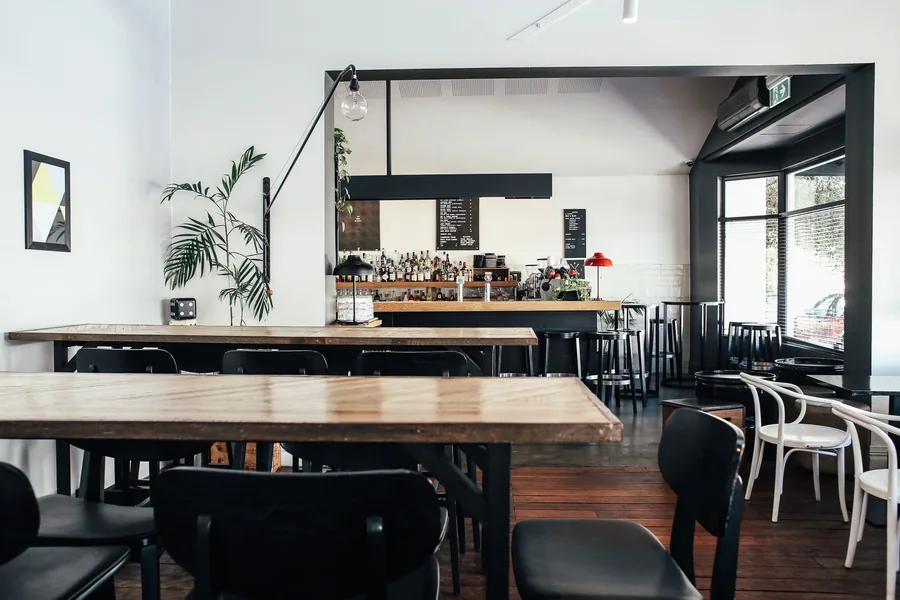
Lighting is the single design lever that costs the least to get right and the most to get wrong. A well-executed restaurant lighting design in the UAE can extend average dwell time, lift per-cover spend, and anchor a brand identity. A poorly considered scheme — flat, flicker-prone, or mis-coloured — undermines every dirham spent on food, furniture, and fit-out. This guide goes beyond the brief overview in our restaurant interior design principles article and provides a dedicated deep-dive into every lighting decision a UAE operator needs to make.
What Is Layered Lighting and Why Does Every Restaurant Need It?
The foundation of any successful restaurant lighting design is the three-layer system. Layered lighting means building a scene from three independent light sources — ambient, task, and accent — each on its own dimmer circuit. A single overhead plane of light is the fastest route to a canteen atmosphere regardless of how expensive the furniture is.
The three layers work as follows:
Each layer must sit on an independently controllable circuit. Trying to run ambient and accent from a shared dimmer collapses the contrast ratio the moment you want to deepen the mood for dinner service.
What Colour Temperature and CRI Should UAE Restaurants Use?
Colour temperature and CRI are the two technical specifications that most directly determine whether restaurant lighting design makes food look irresistible or unappetising. Colour temperature (measured in Kelvin) determines whether a space reads as warm and intimate or cool and clinical. CRI (Colour Rendering Index, 0–100) determines how accurately food, skin tones, and décor colours appear under that light.
For UAE dining venues, the practical guidance is:
On CRI: target a minimum of CRI 90 across all guest-facing spaces. At CRI 80 or below, a medium-rare steak reads as brownish-grey, leafy greens lose vibrancy, and skin tones appear sallow. At CRI 90–95, the same dishes look exactly as they do in natural daylight. For open kitchens, chef’s counters, and display cases, specify CRI ≥95 with an R9 value above 50 — R9 specifically governs how well deep reds are rendered, which matters enormously for meat, berry desserts, and branded red elements. Venues that want strong social media photography should specify CRI ≥95 across the dining room; case studies from premium brands report a measurable uplift in user-generated content quality when CRI is upgraded from 85 to 95.
How Should Dimming and Scene Control Work Across a UAE Dining Day?
Good restaurant lighting design does not stop at fixture selection — it requires a scene control strategy that adapts to each daypart. Scene control lets a single operator switch the entire room from a breakfast setup to a dinner setup in under ten seconds. In the UAE context, where venues often trade across 16–18 hours with distinct daypart personalities — breakfast, lunch, afternoon lounge, dinner, late-night — pre-programmed scene presets are not a luxury; they are an operational necessity.
A practical scene library for a multi-daypart UAE venue:
Hardware choices matter. DALI (Digital Addressable Lighting Interface) protocol allows individual luminaire control at the highest granularity. For smaller venues, a simpler 0–10V dimmer system or a consumer-grade smart system (Lutron, KNX) will deliver scene presets without the cost of a full DALI installation. Whichever system you choose, specify LED drivers with a flicker index below 0.1 — flicker above that threshold causes headaches and visual fatigue in staff and guests, even when imperceptible to the naked eye.
How Should Lighting Be Zoned Across a UAE Restaurant?
Zoning is how restaurant lighting design translates global principles into room-by-room execution. It means treating each functional area as its own lighting brief, then designing transitions between zones so the experience flows rather than jolts. For a typical UAE full-service restaurant, the zones are entrance, dining room, bar, private dining, open kitchen, and back-of-house. Each has different requirements.
Entrance and Reception
The entrance is the first sensory calibration point. Guests arriving from a bright mall corridor or a sun-drenched Dubai street need a brightness transition before they reach their table. A well-lit reception area (around 300–400 lux) with warm pendants or a signature installation sets expectations for what follows. A dark entrance reads as unwelcoming rather than intimate.
Main Dining Room
This is the primary revenue zone. Use the full three-layer approach: ambient downlights or pendants overhead, accent spots trained on tables at a 30–35-degree angle (the angle at which food looks best lit from above and slightly to one side), and feature accents on walls, art, or structural elements. Table-level brightness during evening service should sit between 150 and 250 lux — bright enough to read the menu comfortably, dark enough to feel exclusive.
Bar and Lounge
Bars need a dual approach: bright, high-CRI display lighting behind the back-bar to make bottles and glassware gleam (use 3000K LED strips at CRI ≥90 here), and warm, low ambient light above the seating to encourage lingering. Under-bar LED strips add depth without raising the overall brightness. Counter-top surfaces benefit from directional spots that create the sparkle effect on glassware without blinding seated guests.
Private Dining Rooms
Private dining rooms in UAE venues are often used for corporate dinners, family celebrations, and VIP events. Scene control is essential here because the function changes dramatically event to event. Install dimmable ambient pendants (chandelier or cluster), accent wall-washers, and ideally a separate colour temperature circuit so the room can shift from a bright corporate lunch (3000K, 400 lux) to an intimate dinner (2700K, 200 lux).
Open Kitchen
An open or semi-open kitchen is a theatre element. The cooking zone itself needs 500+ lux at worktop height for safety at 4000K. However, if the kitchen is deliberately visible to guests, install a separate accent circuit at 3000K CRI ≥90 to frame the chef’s station as a stage — this keeps the kitchen visually warm to guests without compromising the chef’s working conditions. A glass partition or a drop in ceiling height between kitchen and dining helps visually separate the two lighting environments.
Back-of-House
Kitchens, prep areas, storage, and staff rooms operate at 4000K with 500 lux minimum at task level and 300 lux in walkways. UAE food safety regulations require adequate illumination in food preparation areas. IP65-rated LED panels are the standard choice for kitchen ceilings where steam and condensation are factors.
Which Fixtures and Placement Approaches Work Best in UAE Venues?
Fixture selection is where restaurant lighting design becomes visible to guests. The UAE premium market expects statement fixtures — lighting that reads as a design choice rather than a utility installation. The most effective combination for a full-service venue is:
For restaurant turnkey fit-out projects, fixture placement should be confirmed against the ceiling layout before slab works are finished — moving conduit after a poured or tiled ceiling is expensive. A reflected ceiling plan coordinated between the lighting designer and MEP consultant is non-negotiable on any project above 100 covers.
How Do DEWA Rules and UAE Energy Standards Affect Restaurant Lighting Design?
UAE operators cannot treat restaurant lighting design purely as an aesthetic exercise — energy compliance is built into the regulatory approval process for every new fit-out. Energy efficiency in UAE commercial premises is governed by a combination of DEWA electrical installation requirements (for Dubai), Abu Dhabi Distribution Company (ADDC) standards, and broader UAE Federal energy regulations. The key practical requirements for restaurant operators are:
Mall venues face an additional consideration: most UAE mall management agreements specify allowable connected loads per square metre. Over-specifying lighting wattage can trigger a penalty or require a dedicated metering conversation with the mall MEP team. Confirm the per-sqm connected load limit before finalising your fixture schedule. A typical UAE premium mall allows 15–25W per sqm for restaurant front-of-house areas — a ceiling that quality LED fixtures reach easily without compromise on visual quality.
How Does Lighting Shape Mood, Dwell Time, and Revenue?
The business case for investing in quality restaurant lighting design rests on measurable behavioural outcomes. The relationship between lighting and customer behaviour is well-documented. Warm, lower-intensity lighting slows the pace of a meal. Research cited across hospitality industry literature consistently shows that guests dining under dim, warm light order more courses, consume more beverages, and report higher satisfaction scores than guests in brighter environments — even when the food and service are identical.
The mechanism is psychological: 2700K lighting at 200 lux shifts guests from task-oriented eating (clear the plate, leave) to social dining (order dessert, have another coffee, share a cocktail). A 1% increase in dwell time correlates with approximately 1.3% increase in per-visit revenue. For a 100-cover UAE restaurant averaging AED 200 per cover, persuading guests to stay an extra fifteen minutes through lighting alone is worth thousands of dirhams per service.
The daytime picture is more nuanced. Casual lunch venues targeting office workers in DIFC, Business Bay, or Al Quoz benefit from slightly brighter, crisper lighting (3000K, 400–500 lux) — guests want to feel alert and finish on time. Trying to force an intimate dinner atmosphere at 1pm slows turnover and frustrates the lunchtime customer.
Scene control, as described above, resolves this tension. The same physical space can serve the business-lunch customer at noon and the anniversary dinner couple at 8pm — but only if the lighting system was designed for that flexibility from the outset. This is why professional restaurant interior design in the UAE must address lighting control architecture as early as the concept stage, not as a specification detail added during fit-out. For venues where getting the lighting right from the outset is a priority, early-stage restaurant concept design is where the lighting brief should first be set.
Understanding the full cost of a lighting scheme is also part of the decision-making process. Our restaurant interior design cost guide for Dubai covers typical lighting budget ranges alongside other fit-out cost categories.
FAQ
What is the best colour temperature for a restaurant in the UAE?
For evening dining, 2700K–3000K is the standard in UAE premium and premium-casual venues. This warm white range promotes relaxation, makes food look appetising, and aligns with the intimate atmosphere guests expect at dinner. Daytime and fast-casual venues can use 3000K–3500K for a slightly crisper feel that supports faster table turnover. Restaurant lighting design decisions on colour temperature should be locked at concept stage, before ceiling layouts are finalised.
What CRI should restaurant lighting have?
A minimum CRI of 90 across all guest-facing areas. For open kitchens, display cases, and any area where food presentation is central to the guest experience, specify CRI ≥95 with an R9 value above 50. Below CRI 90, food colours shift — meats look dull, greens lose vibrancy — which directly undermines the perceived quality of the dish. CRI is one of the most under-specified parameters in UAE restaurant lighting design, and one of the highest-impact ones.
Do UAE restaurants need to comply with DEWA energy rules for lighting?
Yes. New fit-outs in Dubai require DEWA-compliant electrical installations. LED is the only compliant technology for commercial fit-outs. All fixtures should carry ECAS or EQM certification. Mall venues also need to confirm connected load limits per square metre with mall management before finalising fixture schedules. Restaurant lighting design that ignores energy compliance risks project sign-off delays.
How much does restaurant lighting design cost in Dubai?
Restaurant lighting design costs vary by venue size, quality tier, and smart-control complexity. As a guide, lighting fixtures and controls for a 100-cover premium Dubai restaurant typically represent 8–15% of the total fit-out budget. LED fixtures with DALI or KNX smart controls at the premium end cost more upfront but reduce energy costs by 50–70% compared to non-LED alternatives, typically recovering the premium within 12–24 months at UAE commercial electricity tariffs.
Related guide: This article is part of our complete restaurant design and fit-out guide.
Make My Restaurant is the UAE's single-partner solution for opening and running restaurants — concept, fit-out, commercial kitchens, licensing, compliance, cleaning and back-office — serving Dubai, Sharjah and the UAE.